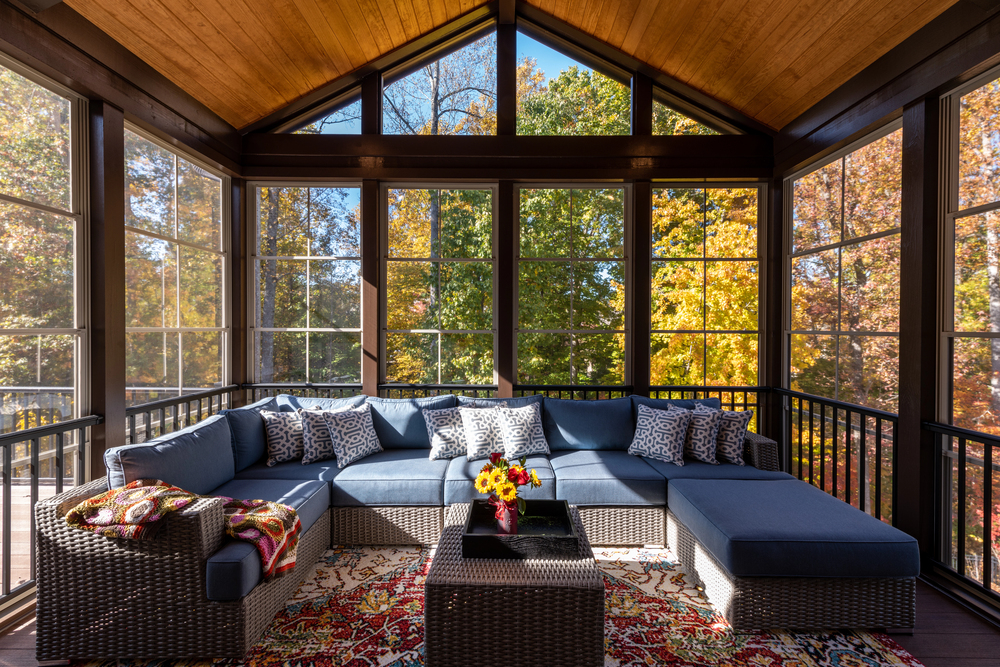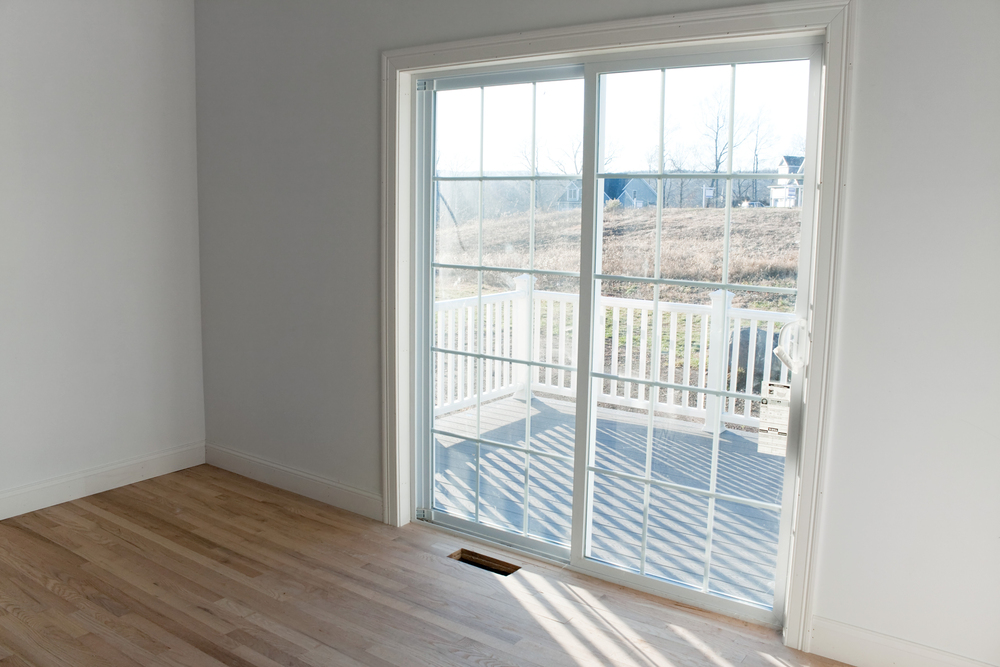
To choose the right boards for your outdoor space, you'll first want to know how each material performs under Maryland weather and then what upkeep it needs and how that fits with your preferences for the amount of effort you want to put into maintaining your deck. Whether you are planning deck installation in Baltimore County, MD right now or simply comparing options, here's what you need to know. Best Materials for Deck Installation in Baltimore County, MD Pressure-Treated Wood Pressure-treated wood is the most common starting point for many homeowners because of its low upfront price compared to the other options. Pressure-treated wood is usually made from southern yellow pine or similar softwoods that then get a chemical treatment under pressure, so the preservatives penetrate the lumber. Once treated in this fashion, the wood will resist rot, insects, and fungal decay. Modern formulas are usually made from a copper-based compound, such as alkaline copper quaternary or copper azole, and you can expect a properly maintained pressure-treated deck to last 15 to 25 years in above-ground applications, depending entirely on how faithful you are with regular sealing or staining every one to three years, prompt treatment of any cuts, and maintaining good drainage so water does not sit on the boards. Composite Decking Composite decking blends wood fibers with plastic, then usually gets a protective polymer cap. There's a wide range of colors and grain patterns available, and you can skip the annual staining cycle. A simple wash with soap and water or a manufacturer-approved cleaner should keep the surface looking clean. Most composite products resist rotting, splintering, and insect damage far better than untreated or even treated wood, and their overall fade and stain resistance have improved markedly with the newer capped designs. Warranties on this decking are usually 25 to 50 years. The boards weigh more than wood, so the framing underneath must be sized and spaced correctly, and heat buildup under the direct sun can be very noticeable with darker colors; lighter shades and proper airflow under the deck will help with that. The up-front material cost is higher than with pressure-treated lumber, but that's often offset by the fact that you don't need to stain and seal it constantly. PVC PVC, sometimes called cellular PVC or advanced PVC, contains no wood fiber at all. It is a fully synthetic product extruded into boards that look much like wood grain. Because water cannot enter the core of the deck, you enjoy excellent resistance to mold, mildew, and swelling even in damp or poolside locations. The lifespan on these can usually exceed 50 years with minimal care. Color and texture options continue to expand, though the overall feel is more uniform than natural wood, and there aren't quite as many options for looks. Costs are, as you might imagine, at the high end of the three categories, both for the boards themselves and for specialized fasteners. If you're ready to explore options, contact Green Solutions Remodeling today in Glen Arm. We have Maryland's oldest active home-improvement license, and our team can walk you through comparisons side-by-side and build the outdoor space you're truly looking for.
How Do Windows, Siding, and Roofing Work Together for a Whole-Home Refresh?
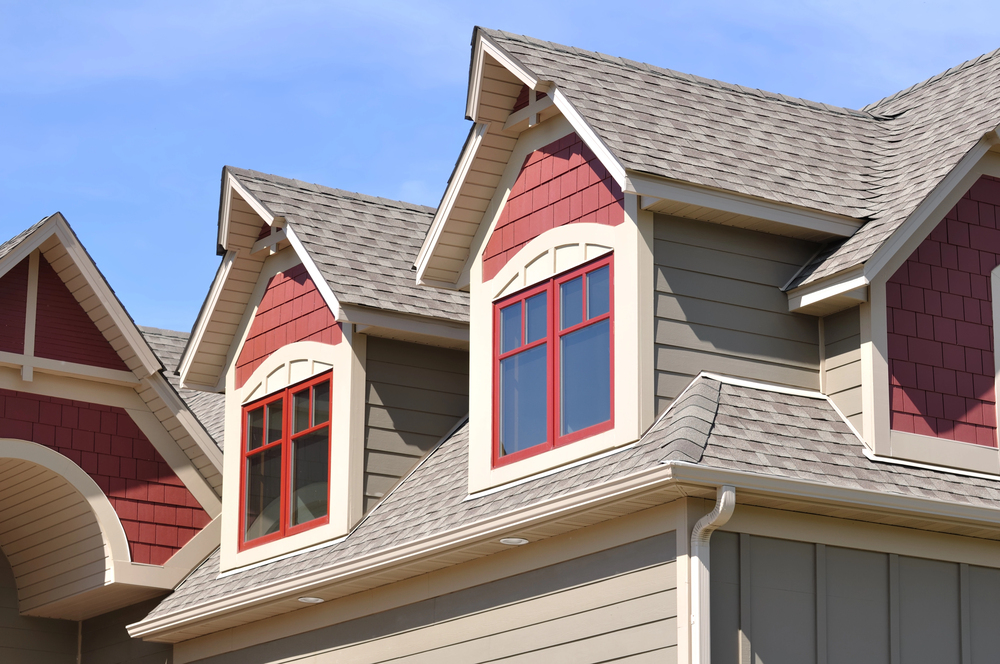
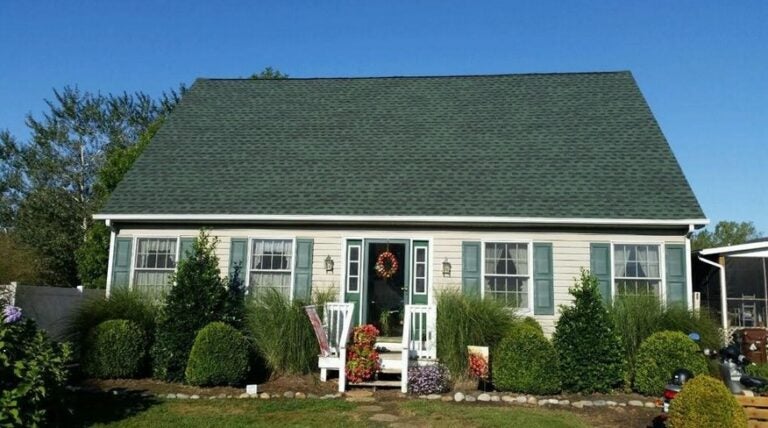
The way to think of the windows, siding, and roofing on your Harford County, MD home is as one weather shell, not three separate products. When you get some exterior remodeling done, you want to think about how it will affect the whole. Water, Walls, and Windows Water follows gravity and always slides through the easiest gap. The roof is meant to throw rain to the gutters, and wherever a roof meets a wall, like at a dormer or the end of a gable, that water has to be turned away from the wall so it doesn't pour behind the siding. Metal flashing is what does that work. It tucks under the shingles and up the wall so the water runoff lands on the roof or in the gutter. Behind the siding sits a second layer, often called house wrap, that catches whatever gets past the boards and sends it down and out. Now here's the issue: windows punch holes through that protective wall and wrap. Any time you've got a hole, you've got potential for leaks, so around each window the opening needs its own wrap of flashing, with the bottom piece sloped so water runs out onto the face of the house rather than into the wood. If the roof flashing, the wrap, and the window flashing don't overlap, water will find the cut and get into your walls. How Heat Harms The same joints that can leak water are also your weak point for leaking air. Warm air leaving the house in winter and hot air coming in during the summer travel through the attic, through unsealed wall cavities, and around old window frames. A tight roof with a vented, insulated attic is great: but it doesn't really do much if the walls below it are drafty. New siding put over rotten wrap and leaky windows still leaves you with cold spots at every opening. Meanwhile, putting new windows into walls that have no continuous wrap still gives a great path for air intrusion. That's why the roof, the siding, and the windows all have to be dealt with as a unit. What a Coordinated Exterior Remodeling Refresh Does On paper, it can look cheaper to deal with just one piece at a time. In reality, that can end up costing you more. New siding that's cut around old window frames will only perform until the caulk dries and splits. A new roof dropped onto walls that will be stripped later means the roof-to-wall flashing will be disturbed again. New windows set into tired siding leaves the wrap incomplete. A whole-home refresh allows you to put the wrap on as one sheet, with the window flashing taped into that sheet and the roof flashing tucked into it, before the siding covers the upright legs. The house then sheds water the way it was meant to: roof to flashing to wrap to the outside face. Talk to Us About a Home Refresh in Harford County Ready to see what a refresh could do for your home? Contact us today at Green Solutions Remodeling in Harford County. We're family-owned and operated, and we've been doing quality work in the Baltimore Metro area for more than 75 years.