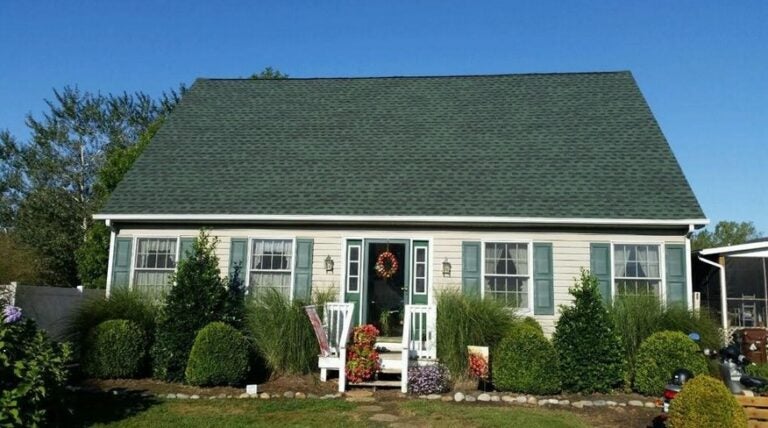
The way to think of the windows, siding, and roofing on your Harford County, MD home is as one weather shell, not three separate products. When you get some exterior remodeling done, you want to think about how it will affect the whole. Water, Walls, and Windows Water follows gravity and always slides through the easiest gap. The roof is meant to throw rain to the gutters, and wherever a roof meets a wall, like at a dormer or the end of a gable, that water has to be turned away from the wall so it doesn't pour behind the siding. Metal flashing is what does that work. It tucks under the shingles and up the wall so the water runoff lands on the roof or in the gutter. Behind the siding sits a second layer, often called house wrap, that catches whatever gets past the boards and sends it down and out. Now here's the issue: windows punch holes through that protective wall and wrap. Any time you've got a hole, you've got potential for leaks, so around each window the opening needs its own wrap of flashing, with the bottom piece sloped so water runs out onto the face of the house rather than into the wood. If the roof flashing, the wrap, and the window flashing don't overlap, water will find the cut and get into your walls. How Heat Harms The same joints that can leak water are also your weak point for leaking air. Warm air leaving the house in winter and hot air coming in during the summer travel through the attic, through unsealed wall cavities, and around old window frames. A tight roof with a vented, insulated attic is great: but it doesn't really do much if the walls below it are drafty. New siding put over rotten wrap and leaky windows still leaves you with cold spots at every opening. Meanwhile, putting new windows into walls that have no continuous wrap still gives a great path for air intrusion. That's why the roof, the siding, and the windows all have to be dealt with as a unit. What a Coordinated Exterior Remodeling Refresh Does On paper, it can look cheaper to deal with just one piece at a time. In reality, that can end up costing you more. New siding that's cut around old window frames will only perform until the caulk dries and splits. A new roof dropped onto walls that will be stripped later means the roof-to-wall flashing will be disturbed again. New windows set into tired siding leaves the wrap incomplete. A whole-home refresh allows you to put the wrap on as one sheet, with the window flashing taped into that sheet and the roof flashing tucked into it, before the siding covers the upright legs. The house then sheds water the way it was meant to: roof to flashing to wrap to the outside face. Talk to Us About a Home Refresh in Harford County Ready to see what a refresh could do for your home? Contact us today at Green Solutions Remodeling in Harford County. We're family-owned and operated, and we've been doing quality work in the Baltimore Metro area for more than 75 years.

What Maintenance Keeps New Windows and Doors Performing for Decades?
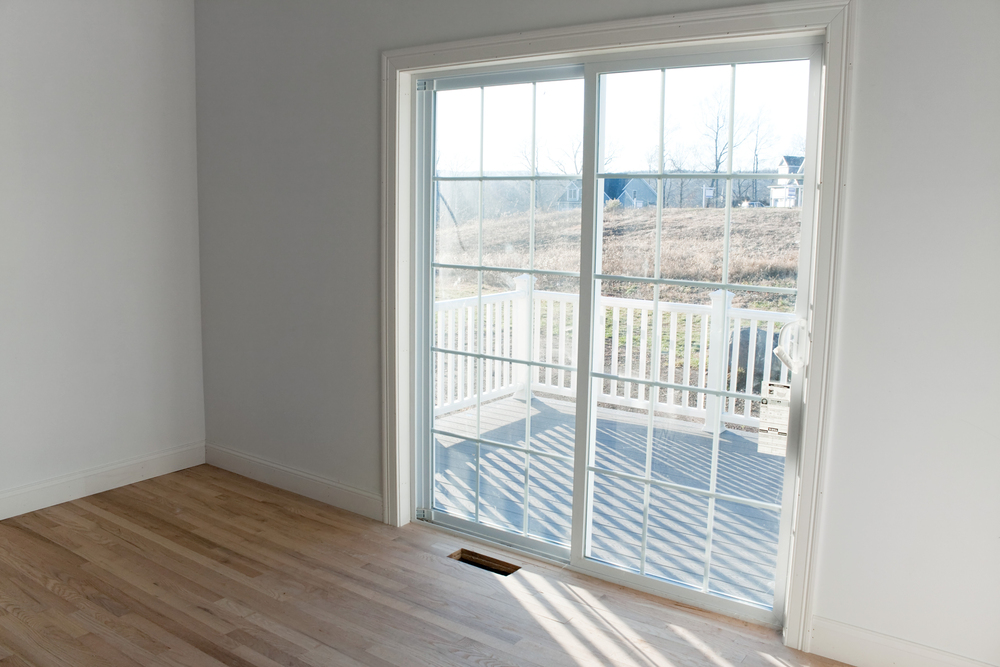
Keeping your new windows and doors in Glen Arm, MD in great working order is how you protect your investment. If you'll commit to a bit of maintenance, you'll be able to enjoy your doors and windows for decades to come. Maintenance for New Glen Arm, MD Windows and Doors Clean Them Regular cleaning of the frames, glass, tracks, and sills removes abrasive substances that can wear down the finish or compromise the mechanisms. Dirt, pollen, salt, and grime are all culprits here, and the best way to get rid of them is with a simple, mild dish soap and some warm water. Apply it with a soft cloth and then rinse and dry it to avoid getting any water spots or residue. It's usually best to clean the glass twice yearly using a vinegar-based or mild soap solution. Frames and tracks will benefit from being wiped or vacuumed every two to three months, and screens can be gently vacuumed or washed separately. Keep Drainage Clear Once or twice a year, check and clear out the drainage systems, particularly the weep holes or slots at the bottoms of frames that allow water entering the unit to exit. If water is allowed to accumulate there, it can lead to seal degradation, mold, frame swelling, or corrosion. Use a soft brush, vacuum attachment, or compressed air to clear things out after the tracks and sills have been vacuumed of debris. Lubricate Moving Parts All the moving hardware, including hinges, locks, rollers, tracks, casement operators, and multi-point mechanisms, should be lubricated once or twice a year. This will keep them moving smoothly and cut down on friction-related wear. Use silicone-based or dry PTFE sprays rather than WD-40, because the former leave a non-dust-attracting film that is compatible with vinyl, rubber seals, and plastic components. WD-40 used to be the go-to choice, but it can gum up the mechanisms and degrade materials in newer window units. Inspect the Weatherstripping At least twice a year, take a moment to look at the weatherstripping and gaskets to be sure the air and water seals are holding well. Look for compression set, cracks, tears, hardening, or separation, and get replacements if the material isn't rebounding like it should or if you're getting drafts. Check the Caulking Finally, once a year, take a look at things outside. The exterior caulking and perimeter sealants are the main barrier against the outside at points where frames meet the surrounding wall. Check for cracks, voids, adhesion loss, or deterioration, and repair any issues you see. Where there's lots of freeze-thaw cycles like here in Maryland, or where a window gets a lot of direct sun, you might need to replace things every five to ten years. A little maintenance goes a long way, and when you're ready to replace your doors and windows with new, fresh, energy-efficient models that are easy to maintain, talk to us at Green Solutions Remodeling here in Glen Arm today. We are fully insured and bonded, and we have Maryland's oldest home improvement license number, providing services throughout Baltimore County, Harford County, Howard County, Anne Arundel County, and Carroll County.